

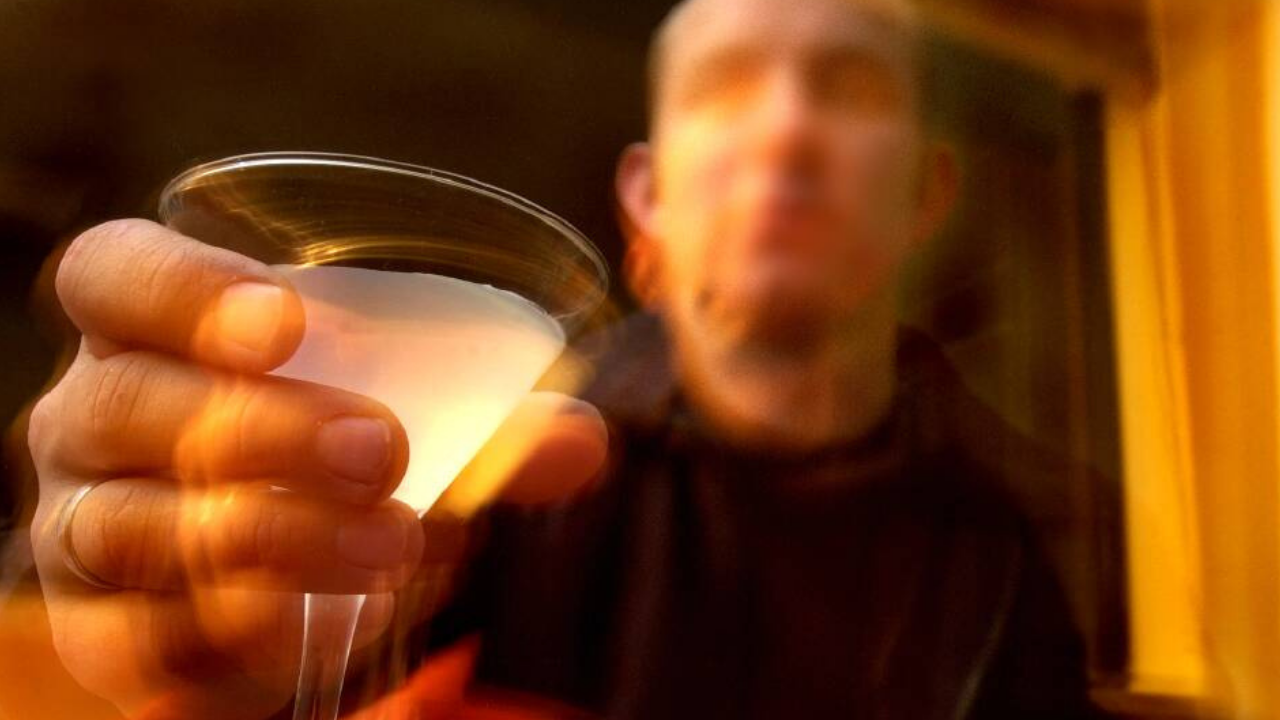
Traveling in Central America often brings to mind tropical beaches, warm evenings, lively bars, and spontaneous encounters. This relaxed atmosphere is part of the region’s appeal. However, behind the festive nightlife lies a reality that is still widely underestimated: drink spiking, also known as drug-facilitated assault. While cases remain statistically underreported, the phenomenon is real and affects tourist areas, beach bars, nightclubs, and private parties. Both travelers and expatriates can be exposed, and not only women.
Men Are Targeted Too — I Learned It the Hard Way
Drink spiking is often associated exclusively with sexual assault against women. While this remains a serious and documented concern, it is essential to understand that men can also be targeted, often for theft, manipulation, or extortion. I learned this firsthand. I never imagined I would write about this topic until the night it happened to me.
A Night Out in Costa Rica That Almost Went Wrong
One Friday evening, a friend invited me out for a drink in Playa del Coco, Costa Rica. I hesitated at first, then agreed with one clear rule in mind: one or two drinks, nothing more. Shortly after arriving at a popular bar, three young women joined us at our table. They were friendly, charming, and engaging. The atmosphere felt easy, almost too easy. My friend quickly fell under their charm. I remained cautious, joking that they seemed more interested in wallets than appearances. They suggested dancing, continuing the night, and even a private party on the beach.
After my second and final drink, I felt it was time to leave. I had no intention of extending the evening, but I agreed to drive the group toward the beach before heading home. During the drive, my vigilance increased. I kept track of my wallet, money, credit cards, and phone. My friend, however, became increasingly unresponsive. Before we even reached the beach, he lost consciousness. The women insisted I stay. I refused. Something felt wrong. I dropped them off and drove home with my friend unconscious in the back seat.
The Morning After: When Doubt Turns Into Certainty
The next morning, reality was unavoidable. My friend woke up to discover his wallet, cash, cards, and phone were gone. I woke up feeling unusually drowsy, disoriented, and physically uncoordinated, far beyond what could be explained by alcohol alone. Despite my caution, I had been drugged as well. I still had my money, my documents, my credit cards, my phone, and my vehicle because I listened to my intuition. My friend lost everything without violence, only smiles, promises, and persuasion. My ego took a hit, but above all, I was relieved. It could have ended far worse.
Drink Spiking in Central America: Not Always GHB
Contrary to popular belief, drink spiking in Central America does not always involve GHB. That substance is less accessible in the region. More commonly reported situations involve heavily overdosed alcohol, sedative medications mixed into drinks, or improvised combinations. These substances are often colorless, odorless, and tasteless, making them extremely difficult to detect once mixed into a beverage.
Alcohol: The Most Common and Underestimated Threat
Alcohol itself remains the most common and underestimated risk. In many tourist destinations, drinks are poured generously, often much stronger than travelers expect. Adding extra alcohol to an already poured drink is one of the simplest and most common techniques used. Heat, dehydration, fatigue, and jet lag amplify the effects, creating sudden and overwhelming intoxication.
Why Travelers Are More Vulnerable Than They Think
Travelers, both men and women, are particularly vulnerable because they are relaxed, far from their usual routines, often tired, and carried by a sense of safety. Language barriers and cultural friendliness can further lower vigilance. Men, just like women, may underestimate their vulnerability, wrongly believing they are not potential targets. I thought I was careful. I was. And still, it happened.

Prevention Is About Awareness, Not Fear
Prevention while traveling is not about fear but about awareness. Keeping an eye on your drink at all times is essential. A drink left unattended, even briefly, should be replaced. Accepting drinks only from bartenders or servers and avoiding beverages prepared out of sight reduces risk significantly. Refusing surprise shots is not rude or excessive but a responsible decision.
Drinking slowly, alternating with water, and avoiding sharing drinks help maintain control and allow unusual effects to be noticed sooner. Being accompanied can reduce risk, but it does not guarantee protection. My friend and I were together, and we were both victims. Individual vigilance remains essential. Whenever possible, arriving together and leaving together, with a clear plan for getting home safely, helps avoid risky, improvised decisions late at night.
Warning Signs You Should Never Ignore
Sudden or disproportionate intoxication, unexpected confusion, memory gaps, loss of coordination, or unusual drowsiness and nausea are all serious warning signs that should never be brushed off as “just too much alcohol.” When these symptoms appear quickly or feel out of character, they often indicate that something is wrong. Trust your instincts. If something feels off, leave the situation immediately and seek help from a trusted person, venue staff, or medical services.
There are very few official statistics on drink spiking or drug-facilitated assaults in Central America. The lack of centralized data does not mean the problem does not exist. Experts point to strong underreporting because alcohol is already present in most situations, many substances disappear from the body within hours, and fear, stigma, and complex reporting procedures discourage victims from coming forward.
Final Thoughts: This Is Not About Gender, It’s About Vigilance
With hindsight, my ego recovered. What mattered was listening to that inner warning voice. I made it home safely. My friend learned the hard way that behind a party atmosphere, danger can sometimes hide. This story is not meant to scare, but to inform. Women are not the only targets, and men are not invincible. Traveling informed is not traveling afraid. It is traveling aware and making it home safely.
Central America remains a warm, welcoming, deeply human region. Being informed does not mean traveling in fear. It means traveling with clarity. Prevention does not ruin the journey. It protects the pleasure, the freedom, and the memories.
- Avec l’Excelsior et le Goombay : découvrez le golfe de Papagayo dans toute sa splendeur
- Expatriés au Costa Rica : pourquoi la résidence légale devient-elle si importante?
- La Floride perd-elle ses snowbirds au profit du Costa Rica?
- Tamarindo Natura Lodge: Une oasis de tranquillité près de Tamarindo
- Tout crisser là et s’expatrier ?