


For many people, Costa Rica is much more than a destination. It is a place that leaves a mark, that transforms, that reveals itself over time. Behind the images of beaches, volcanoes, and lush jungle lies a country in constant evolution, shaped by its choices, its values, and its contradictions.
The year 2025 was particularly revealing in this regard. Between international recognition, economic progress, social challenges, and powerful reminders of nature’s force, Costa Rica experienced a series of events that say a great deal about what it has become — and what it is striving to preserve.
Through these 12 key highlights, Mag506 offers an overview of a pivotal year, to better understand the country you visit, the country you love… or the country you have chosen to call home.
1. One of the strongest international reputations in Latin America
In 2025, Costa Rica stood out as the country with the strongest reputation in Latin America according to the international RepCore Nations study, which evaluates how countries are perceived by the global public. This recognition is based on several key criteria: the quality of institutions, democratic stability, environmental stewardship, government ethics, and the overall level of trust inspired by the country.
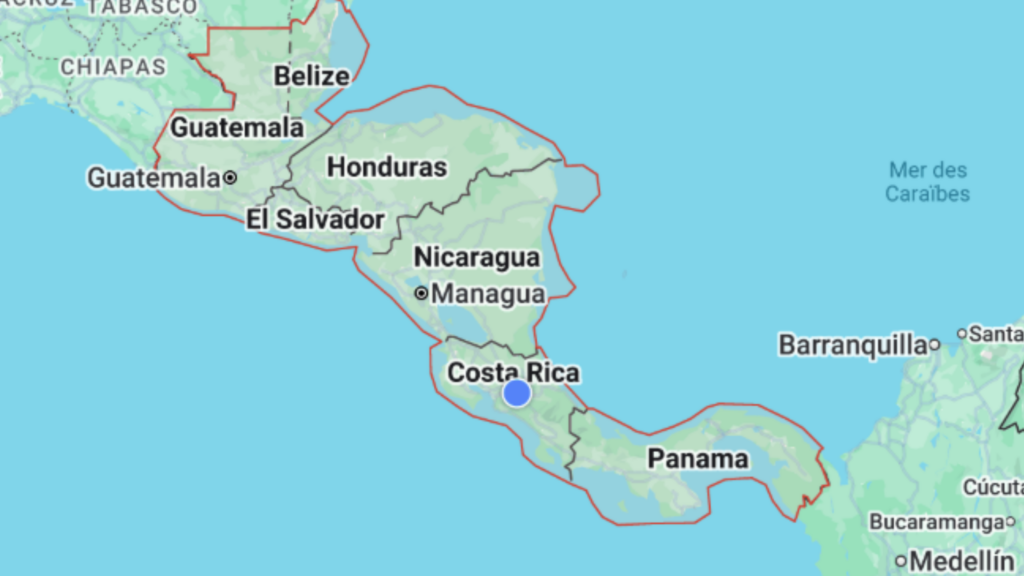
In a regional context often marked by political or economic instability, Costa Rica emerged as a positive exception — perceived as reliable, peaceful, and consistent in its societal choices. This reputation goes far beyond tourism branding: it directly influences foreign investment decisions, travelers’ destination choices, and even expatriates’ interest in settling there long term.
2. The environment remains at the heart of national identity
In 2025, Costa Rica strengthened its status as a global reference in environmental protection by extending its Payments for Environmental Services model to marine ecosystems, particularly mangroves. In collaboration with international partners such as the World Bank, the country launched pilot projects aimed at compensating local communities for preserving mangroves — ecosystems recognized for their essential role in coastal protection, biodiversity conservation, and carbon capture.
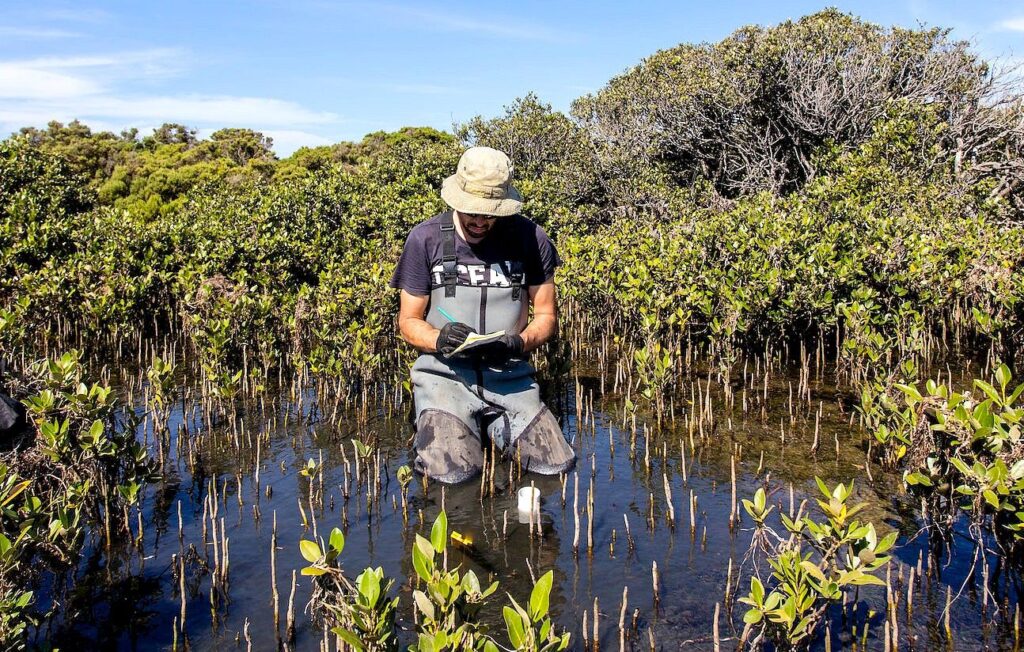
This initiative illustrates a distinctly Costa Rican approach: protecting nature not only through restrictions, but by integrating environmental preservation into the real economy and local development. For visitors and expatriates alike, this vision translates into well-protected national parks, expanding marine conservation areas, and a culture deeply rooted in respect for living systems.
3. A reminder of nature’s power: Poás Volcano
In 2025, increased activity at Poás Volcano served as a powerful reminder that Costa Rica is not only a land of spectacular scenery, but also a living territory shaped by immense natural forces. Located less than an hour from the capital, Poás is one of the country’s most accessible and visited volcanoes, making each episode of activity particularly symbolic and widely covered.
Early in the year, heightened gas emissions, ash releases, and internal activity led authorities to temporarily close the national park and reinforce safety protocols. These measures — sometimes inconvenient for visitors and tourism operators — highlighted the absolute priority given to public safety and risk prevention. Once again, Costa Rica demonstrated its ability to manage such situations with rigor, transparency, and foresight.

This episode also reinforced public awareness of the importance of science and volcanic monitoring. Regular expert communications, real-time updates, and institutional coordination helped prevent panic and maintain public trust.
4. Global recognition highlighted by The Washington Post
In 2025, Costa Rica’s trajectory extended beyond the regional stage and entered a global positive narrative when The Washington Post included the country among its “25 Good News Stories of the World.” In a media landscape often dominated by crises, conflicts, and instability, this mention carried strong symbolic weight.
It highlighted a Central American nation capable of reaching high-income status while maintaining an image associated with peace, democratic stability, and coherent social choices. The Washington Post emphasized not just an economic milestone, but a long-term path built on education, public health, environmental protection, and strong institutions. For Mag506 readers, this recognition serves as a reminder that Costa Rica’s appeal rests not only on its beaches and volcanoes, but also on a reputation patiently built year after year.
5. An economy growing at two different speeds
In 2025, Costa Rica continued to post generally positive macroeconomic indicators. Growth was largely driven by free trade zones, high-tech companies, international services, shared service centers, and foreign direct investment. These export-oriented sectors tend to offer higher wages and stronger integration into the global economy, reinforcing the image of a modern and competitive country.
However, this momentum has not been felt evenly across society. Traditional sectors — agriculture, local commerce, small businesses, residential construction — have experienced slower growth, sometimes weakened by rising living costs, inflation, higher interest rates, and international competition.

This two-speed reality fueled public debate throughout 2025, raising fundamental questions about the country’s future: how to better distribute economic benefits, how to support rural regions and small businesses, and how to balance international attractiveness with local quality of life. For expatriates and visitors, understanding this duality helps explain certain social tensions — and the complexity of a country moving forward, sometimes faster than its ability to adapt.
6. Costa Rica reaches high-income country status
In 2025, Costa Rica crossed a symbolic and strategic threshold by being officially reclassified as a high-income country by the World Bank. This classification is primarily based on gross national income per capita, an indicator measuring the average wealth generated by a country’s economy.
For Costa Rica, this milestone represents the culmination of decades of sustained investment in education, public health, infrastructure, and institutional stability. Internationally, it strengthens economic credibility, improves investor perception, and confirms Costa Rica’s position as a relatively mature, stable, and predictable economy.
7. Costa Rica confirms its attractiveness for investors
In 2025, Costa Rica consolidated its reputation as one of Latin America’s most stable and credible investment destinations. This attractiveness is built on a rare combination of factors: a solid democracy, a relatively predictable legal framework, lasting social peace, and a workforce recognized for its education level and adaptability.
The work of PROCOMER, the country’s foreign trade and investment promotion agency, played a key role in structuring this growth and positioning Costa Rica in high-value sectors. Economic summits and trade missions held in San José further enhanced international visibility, showcasing not only economic advantages but also a long-term vision focused on qualified employment, skills transfer, and sustainable development.

For expatriates and entrepreneurs on the ground, this translates into a dynamic business ecosystem, a stronger international corporate presence, and a more diversified labor market.
8. Sport and regional events in the spotlight
In 2025, sport held a visible place in Costa Rican public life, serving both as a tool for regional influence and a driver of tourism. The country hosted several major sporting events, particularly in beach and water sports, fully leveraging its coastline, climate, and natural infrastructure.

Hosting the 2025 Central American and Caribbean Beach Games exemplified this trend. By bringing together athletes from across the region, the event showcased not only sporting performance but also the host coastal regions, generating direct economic benefits for lodging, restaurants, and tourism services. For many local communities, it provided exceptional regional exposure.
9. Traditions and popular culture remain vibrant
In 2025, popular culture continued to play a central role in Costa Rican social life, reminding everyone that national identity is not defined solely by landscapes or economic performance. Iconic events such as the Palmares Festival once again drew massive crowds, bringing together Costa Ricans of all generations, visitors, and expatriates around concerts, traditional festivities, popular bull events, and celebrations rooted in collective history.
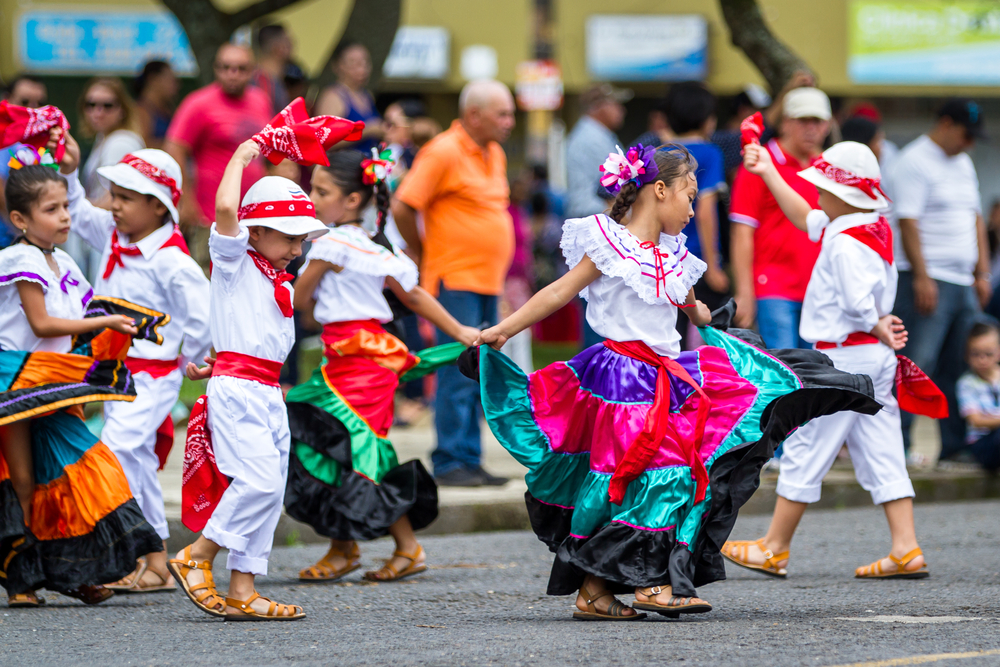
Beyond entertainment, these gatherings serve an essential social function. They create spaces where communities reconnect, social differences temporarily fade, and national belonging is reinforced. Amid economic changes and rising living costs, traditions once again acted as anchors — highlighting the importance of shared rituals, music, and collective celebration in social balance.
10. Innovation and technology gain momentum
In 2025, Costa Rica confirmed that its development no longer relies solely on tourism and traditional sectors. The first-ever Costa Rica Tech Week marked a symbolic milestone in showcasing the country’s emerging technology ecosystem. Held across several cities, the event brought together startups, entrepreneurs, investors, universities, and international players around key themes such as digital innovation, artificial intelligence, green technologies, and high-value services.
This momentum reflects a deeper shift in national development strategy. Costa Rica increasingly aims to position itself as a regional hub for talent and innovation, leveraging a young, educated population, strong language skills, and political stability favorable to entrepreneurship. Digital services, life sciences, advanced manufacturing, and tech-driven industries are now playing a growing role in the economy.
Conclusion – A year of reflection before the choices ahead
As the 2026 elections approach, 2025 emerged as a moment of collective reflection for Costa Rica. Debates around development models, wealth distribution, and the preservation of national identity intensified, revealing a country at a crossroads. More than a sequence of events, 2025 marked a transition point, where future choices are already taking shape in public discourse.
For travelers, this reality invites a move beyond idealized images toward discovering Costa Rica with curiosity, respect, and openness. For expatriates, it serves as a reminder that settling here is not merely a change of scenery, but an engagement with a society in constant evolution — with its strengths, vulnerabilities, and debates.
If Costa Rica continues to inspire, it is not because it is free of challenges, but because it strives, year after year, to move forward according to its own values. It is precisely in this search for balance — between progress and identity — that its greatest wealth likely resides.
- Avec l’Excelsior et le Goombay : découvrez le golfe de Papagayo dans toute sa splendeur
- Expatriés au Costa Rica : pourquoi la résidence légale devient-elle si importante?
- La Floride perd-elle ses snowbirds au profit du Costa Rica?
- Tamarindo Natura Lodge: Une oasis de tranquillité près de Tamarindo
- Tout crisser là et s’expatrier ?